.png)

Khwaja Garib Nawaz Photo Ajmer KGN Images and Visitor Guide
Khwaja Garib Nawaz Photo Ajmer KGN Images With Care
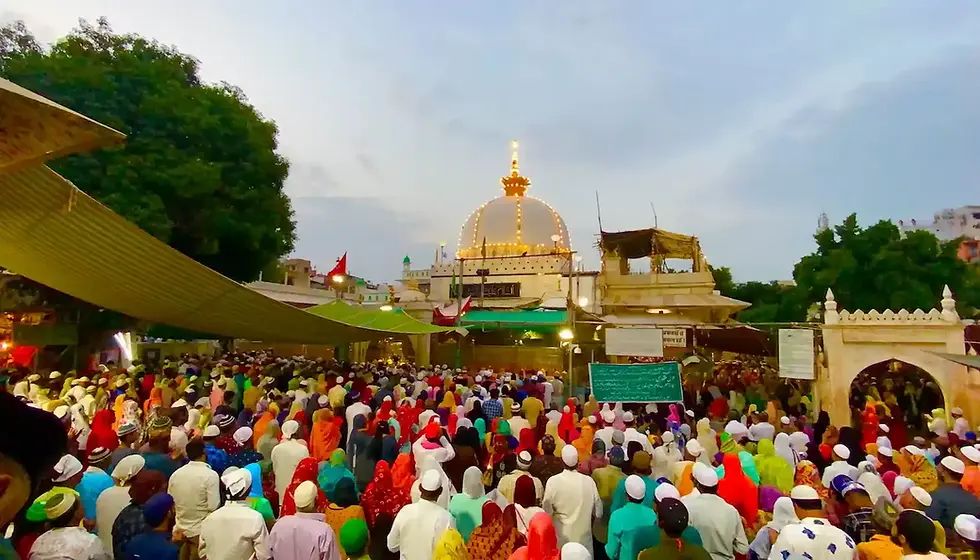
Khwaja Garib Nawaz photo Ajmer KGN images are often searched by people who wish to see respectful views connected with Hazrat Khwaja Garib Nawaz (R.A.), Ajmer Sharif Dargah, chadar offerings, and peaceful moments of dua. The Khwaja Gharib Nawaz Official Website can help visitors find useful guidance, while clear and truthful visuals help families understand the sacred atmosphere before their journey.
What Khwaja Garib Nawaz Photo Ajmer KGN Images Mean
KGN is commonly used as a short form by devotees looking for shrine views, devotional artwork, flower offerings, or images from Ajmer. Some people need a suitable picture for a blog, social media post, or WhatsApp status. Others simply want to keep a respectful visual that reminds them of faith, kindness, and remembrance.
It is important to separate real shrine photographs from artistic illustrations. Hazrat Khwaja Moinuddin Chishti (R.A.) lived centuries before modern photography, so there is no verified camera portrait from his lifetime. Any face image presented in posters, paintings, or digital designs should be described honestly as devotional artwork rather than a historical photograph.
A meaningful picture does not need dramatic editing. The white dome, marble courtyard, entrance lanes, flower arrangements, lamps, and chadar presentation can all reflect the peaceful character of Ajmer Sharif Dargah. Simple captions help visitors understand what they are seeing without adding unverified claims.

Choosing Respectful Shrine Views
The best visual is one that matches the page topic. A travel article can use an exterior view of the complex, while a guide for first-time families may use a clear entrance or courtyard image. A post about offerings can show flowers, cloth arrangements, or a calm group of devotees carrying a chadar with dignity.
Ajmer dargah images are most useful when they are sharp, natural, and properly described. Avoid overly bright filters, altered buildings, unrelated symbols, or crowded text overlays. A clean image gives readers confidence and makes a website feel more trustworthy.
Ajmer dargah history can be explained with pictures of gates, marble details, old-style architecture, and the larger shrine surroundings. A short caption should state only what is known. It is better to write “view of the main shrine area” than to attach a dramatic story that has not been verified.
When using visuals online, choose images you created yourself or have permission to use. Do not remove another person’s watermark or copy a picture without credit. Respect for a photograph is part of respectful online sharing.

Images That Support a Peaceful Visit
Some people look at shrine views before travelling because it helps them feel prepared. A calm daylight picture may show walking areas, while an evening image can show the warm lights and quiet atmosphere around the complex. Crowd levels, entry arrangements, and access routes can change, so a picture should not be treated as a fixed promise.
For visitors seeking guidance connected with gaddi nasheen Syed Fakhar Nawaz Chishti, a clear visual guide may help explain the setting before they arrive. Questions about a family visit should be asked politely, with enough detail to receive practical help.
Ajmer dargah khadims may assist people with local etiquette, customary practices, and movement around busy areas. Photographs should never disturb anyone during prayer or come too close to private moments of devotion.
The WhatsApp number Ajmer Dargah +918529671277 may be used for general questions about travel, family dua, or visit arrangements. Messages are easier to understand when the purpose is stated clearly from the beginning.

Chadar, Flowers, and Offering Visuals
A floral chadar scene can be beautiful when it clearly shows devotees presenting an offering with respect. Rose petals, fresh flowers, neatly carried cloth, and a peaceful group moving towards the shrine create a meaningful image without making the occasion look like a funeral procession.
People searching for ajmer sharif chadar online should first understand the type of arrangement they wish to make. Cloth quality, size, design, and current service availability can differ, so details should be confirmed before making any plan.
Ajmer sharif deg is linked with the tradition of preparing food for people gathered at the sacred place. A photograph of this service should focus on sharing, cleanliness, and care for others rather than treating the practice only as a decoration for social media.
An offering may be flowers, a chadar, or a quiet personal dua. No one should feel that a large arrangement is necessary. The sincerity behind the act matters more than the size or cost.
Nazrana should always remain voluntary and should be given only with clear understanding. It should not be presented as a payment for blessings or as a promise that a personal wish will definitely come true.
For many families, ziyarat is a private moment of respect. A suitable visual may show people waiting calmly, carrying flowers, or standing quietly near the shrine, but it should never interrupt another person’s prayer.
The badi choti deg tradition refers to the recognised larger and smaller cooking vessels connected with food preparation. Anyone who wishes to participate should ask for current arrangements instead of relying only on older pictures or forwarded messages.
During darshan, visitors may have limited time because queues can move quickly. Keep phones away when needed, do not block walking areas, and prepare your dua before reaching the main section.

Urs Images and Travel Planning
People often ask, “khwaja garib nawaz ka urs kab hai,” because the annual observance follows the Islamic lunar calendar and its Gregorian date changes. Urs photographs can show lights, qawwali gatherings, flower offerings, and a larger number of visitors, but travel plans should always be based on the latest confirmed update.
Donation is a personal decision and should remain within a person’s comfort. Any message connected with giving should clearly explain its purpose and never create pressure through urgency, fear, or promises of guaranteed results.
Ajmer is in Rajasthan, where the shrine area is surrounded by active lanes and a large number of visitors throughout the year. The address for guidance is Zia House, Opp. Gate No. 4, Khadim Mohalla, Dargah Sharif, Diggi Bazaar, Ajmer, Rajasthan 305001, India.
For Contact about travel, a chadar arrangement, family dua, or general visit help, explain your need in a simple and direct message. Clear communication helps avoid confusion and saves time for everyone.
The Khwaja garib nawaz dargah contact number for verified visitor guidance is +91 85296 71277. Use only trusted contact details and never share identity documents, bank information, passwords, or one-time codes with unknown people.
Dargah timings may differ by season, special religious days, security arrangements, and crowd conditions. Check close to the date of travel instead of depending on an old poster or social media upload.
The most useful KGN visual is one that remains honest, respectful, and easy to understand. Real shrine surroundings, proper captions, natural colours, and careful sharing allow people to keep a meaningful connection with Hazrat Khwaja Garib Nawaz (R.A.) while respecting the dignity of Ajmer Sharif Dargah.